

When planning a long-distance move, one of the first questions on everyone's mind is, "What is this going to cost?" It's a valid and crucial question. As a Senior Moving & Logistics Supervisor with over a dozen years of experience coordinating moves out of Central Louisiana, I've seen firsthand how important a clear and predictable budget is for a family's peace of mind. The goal of this guide is to give you a transparent look at the costs associated with long-distance moving from the Dry Prong area, helping you understand the numbers so you can plan your relocation with confidence.
There are no one-size-fits-all answers, but by understanding the key variables, you can create a realistic budget and avoid surprises down the road. Let's break down what goes into a professional moving estimate.
Average Costs in Dry Prong
To set a baseline, it's helpful to look at some typical price ranges for moves originating from our area. A long-distance move is generally defined as any move that crosses state lines. The final price is most often calculated based on the total weight of your shipment and the mileage to your destination. While every move is unique, here are some general estimates for a professional move starting in Dry Prong:
- Moving a 1-2 bedroom apartment or small home (approx. 3,000-5,000 lbs): A move to a city like Dallas, TX (around 300 miles) could range from $3,000 to $5,500.
- Moving a 2-3 bedroom home (approx. 5,000-8,000 lbs): That same move to Dallas might fall between $5,000 and $8,000.
- Moving a larger 4+ bedroom home (approx. 9,000+ lbs): For a larger household, the interstate moving cost Louisiana residents can expect would likely start at $8,500 and go up from there, depending on the destination and services required.
These are ballpark figures that typically include loading, transportation, and unloading. Services like packing, storage, and special handling will add to the total. Remember, the only way to get an accurate figure is through a detailed in-home or virtual survey of your belongings.
Factors That Affect Price
Your final moving quote is a composite of several key components. Understanding the Dry Prong to Dallas moving price factors - or any other destination - is the best way to manage your budget. In my experience, these are the primary cost drivers our teams evaluate.
- Shipment Weight and Volume: This is the single biggest factor in any long-distance moving cost. The more you move, the more it weighs, and the more it costs. Professional movers use certified scales to weigh the truck before and after loading to determine the exact weight of your shipment.
- Distance: The mileage from your origin in Dry Prong to your new home directly impacts fuel and labor costs. Longer distances mean higher transportation charges.
- Packing Services: This is a significant variable. You have options:
- Full-Service Packing: Our trained crews pack everything in your home. This offers maximum protection and convenience but comes at the highest cost.
- Partial Packing: We can pack just the fragile items, like your kitchen dishware or artwork, while you handle sturdier items like clothes and books.
- DIY Packing: You pack everything yourself. This is the most budget-friendly option, but it's crucial to use proper materials and techniques to prevent damage.
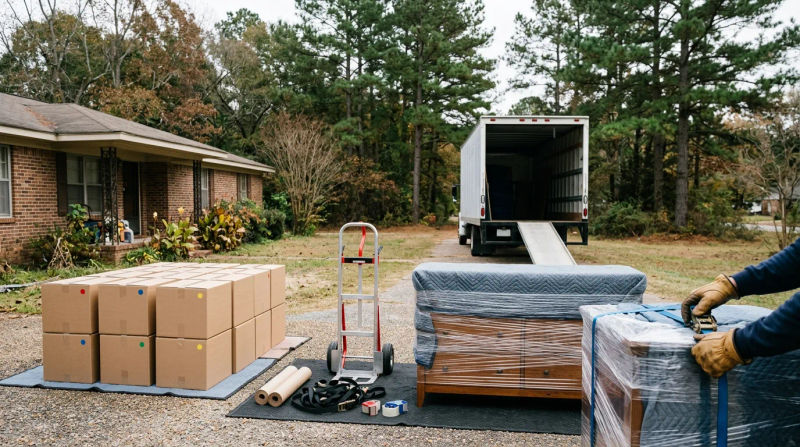
- Access and Location Logistics: The layout of your property matters. Here in Dry Prong, many homes are 1970s-era single-story ranch houses, which often provide excellent, straightforward access for our crews. This can be a positive cost factor. However, the rural nature of the area can mean extra drive time to major interstates or limited space for a large 53-foot trailer to park. If the truck can't get close to your home, we may need to use a smaller shuttle truck to ferry items, which adds a fee.
- Specialty Items: Moving items that are unusually heavy, bulky, or fragile requires special expertise and equipment. Pianos, gun safes, hot tubs, grandfather clocks, and large art pieces all fall into this category and will have separate charges associated with them.
- Timing and Seasonality: The moving industry has a peak season, typically from May through September. Moving during the off-season, such as in November, can sometimes yield better pricing and more flexible scheduling. However, moving around major holidays can also tighten availability, so it's always wise to book well in advance.
How to Get the Best Value
Saving money on a long-distance move doesn't have to mean sacrificing quality or security. It's about being strategic. Here are some practical tips I always share with customers.
- Declutter Ruthlessly: Before you even start packing, go through every room and decide what you truly need to take. Every item you sell, donate, or discard is one less item you have to pay to move. This is the most effective way to lower your cost.
- Book Your Move Early: The long distance moving estimate timeline should start early. I recommend getting estimates 6-8 weeks before your target move date, especially if moving during a busy period. This gives you time to compare quotes and lock in your preferred dates before schedules fill up.
- Consider a Hybrid Packing Approach: As mentioned, packing non-breakables yourself - like clothing, books, and linens - is a great way to reduce labor costs. Leave the delicate items to the professionals to ensure they arrive safely.
- Be Flexible: If your schedule allows, ask your moving coordinator if there are cheaper days to move. Mid-week and mid-month dates are often less in-demand than weekends or the end of the month.
Questions to Ask Your Contractor
A reputable moving company will be transparent and happy to answer your questions. Don't hesitate to ask for clarification. Here are the essential questions you should ask any potential mover:
- Are you a licensed and insured mover? Ask for their U.S. Department of Transportation (USDOT) number, which you can use to verify their credentials online.
- What type of estimate will you provide? A binding estimate guarantees the price will not go up, while a binding-not-to-exceed estimate means the final cost could be lower than quoted but will not go over. A non-binding estimate is just a projection and can change.
- What is your liability/valuation coverage? By law, movers must provide basic liability coverage, but it's minimal (e.g., $0.60 per pound per item). Ask about options for Full Value Protection.
- How do you handle claims for damaged items? Understand the process and timeline for filing a claim should something unfortunate happen.
- Can you walk me through all potential additional charges? Ask specifically about fees for stairs, long carries, or shuttle services so there are no surprises on moving day.
- What is the estimated delivery window for my belongings? For long-distance moves, your shipment is often transported with others. Get a clear delivery spread so you know when to expect your items.
Planning a long-distance move is a major undertaking, but understanding the costs involved is the first step toward a smooth and successful transition. A detailed, professional estimate based on a thorough inventory of your home is the only way to establish a firm budget. By knowing what drives the price, you can make informed decisions that align with your needs and financial plan.
For a personalized estimate in Dry Prong, contact Cenla Moving & Delivery Services LLC for a free consultation.