
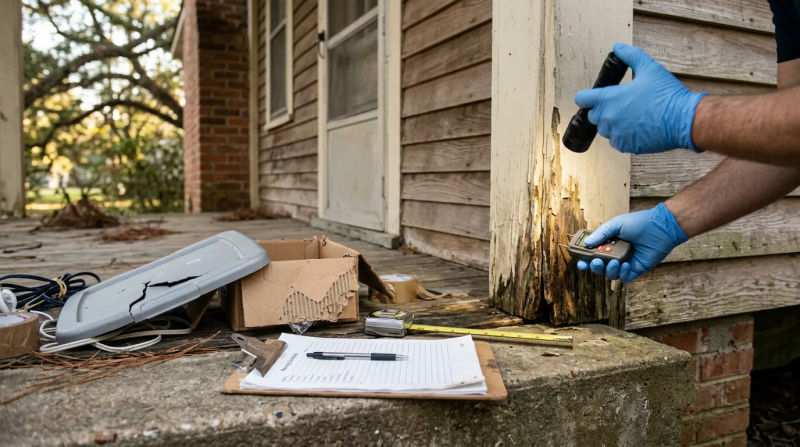
The moving date is circled on your calendar, boxes are starting to line the walls, and you feel like you’re mostly on track. Yet, there’s a persistent feeling that you’ve overlooked something crucial. Maybe it’s the long gravel driveway, the narrow turn near the oak tree, or the contents of that workshop out back. As a logistics supervisor with over a decade of experience, I’ve seen how these small, overlooked details can quickly snowball into significant moving day complications. Especially here in Lecompte, where rural properties and unique layouts are common, what you don’t plan for can cause the biggest headaches.
With November schedules tightening due to holiday plans and year-end deadlines, there’s less room for error. A small planning gap that might be a minor inconvenience in July can become a costly, schedule-wrecking problem now. Identifying these red flags early is the key to a smooth, efficient relocation.
Common Signs and Symptoms
Recognizing potential issues is the first step toward preventing them. These are some of the most common moving delay signs our crews see when a plan hasn't been fully thought through. If any of these sound familiar, it’s time to take a closer look at your preparations.
- Your Inventory is a Vague Guess: A mental tally of “a few big furniture items and about 40 boxes” is not an inventory. A professional plan relies on a detailed, itemized list. Without one, it’s impossible to accurately estimate the truck size, crew needed, or time required for the job.
- The Property Walkthrough Was Only Indoors: One of the most frequent mistakes is focusing solely on the items inside the house. The path from your front door to where the truck will park is just as important. In Lecompte, we often encounter long driveways, low-hanging tree limbs, tight turns, or soft ground that can prevent a large truck from getting close. These are classic moving day access problems that must be identified beforehand.
- Packing is Random and Unlabeled: If boxes are filled with items from multiple rooms and lack clear labels detailing their contents and destination room, you’re setting yourself up for chaos. Disorganized packing not only slows down the loading process but makes unloading and unpacking exponentially more difficult.
- You Haven't Measured Key Items or Pathways: That oversized sofa or antique armoire might have fit into the room, but will it fit out the door, down the hallway, and around the corner? Many homes in the Lecompte area, particularly the classic 1950s mid-century Ranch houses, have straightforward floor plans but can feature narrower hallways or doorways than modern constructions. Assuming items will fit without measuring is a major gamble.
- Outbuildings Are an Afterthought: The shed, detached garage, or workshop is often forgotten until the moving truck is already loaded with household goods. These spaces often contain heavy, bulky, or awkwardly shaped items like tools, lawn equipment, and stored furniture that require a specific plan.
- Your Schedule Has No Buffer: Planning to have the movers leave at 2:00 PM to make a closing at 3:00 PM and get keys for the new place by 4:00 PM leaves zero margin for error. Traffic, weather, or a single unexpected challenge can derail a tightly packed schedule.
- Specialty Items Don't Have a Plan: Items like pianos, gun safes, large glass tabletops, or delicate art require special equipment and handling. Simply adding them to the general inventory without a dedicated plan for their safe transport is a significant red flag.
What Causes This Problem
These issues rarely stem from a lack of effort. More often, they arise from a simple lack of experience. The average person moves only a handful of times in their life, whereas our professional crews handle moves every single day. The root cause is a gap between a homeowner’s perception of the task and the logistical realities involved.
For example, a homeowner sees their long driveway as a charming feature; a moving professional sees it as a 200-foot carry distance that adds significant time and labor to the job. A homeowner might overlook the contents of a shed, but a logistics expert knows it represents an extra hour of work that needs to be factored into the schedule. This is why a comprehensive Lecompte pre-move checklist is so critical - it forces you to look at your home through the eyes of a mover.
Assumptions are the primary driver of moving day delays. Assuming the truck will fit, assuming the sofa will clear the doorway, and assuming you have enough boxes all create vulnerabilities in your plan. The goal of a proper pre-move inspection is to replace those assumptions with hard data: measurements, item counts, and a clear assessment of the property’s access points.
When to Call a Professional
While you can manage some organizational tasks yourself, certain situations strongly warrant professional intervention. If you’ve identified more than one of the red flags listed above, it’s time to seek an expert opinion.
Consider calling a professional for an on-site consultation if:
- Your home has difficult or unusual access. This includes long or steep driveways, narrow private roads, limited street parking, or multiple flights of stairs.
- You own numerous large, heavy, or high-value items. A professional can assess what it will take to move these items safely and prevent damage to both the item and your property.
- You are on a tight timeline. When there is no room for error, you need a plan executed with precision. Professionals can create a realistic schedule and identify potential bottlenecks, helping you avoid the need for last-minute moving schedule fixes.
- You feel overwhelmed. The sheer volume of tasks involved in a move can be daunting. An experienced moving consultant can provide a structured plan and turn a chaotic process into an organized workflow.
A professional walkthrough is much more than a sales quote; it’s a diagnostic assessment. An experienced supervisor can walk your property and spot potential moving day access problems in minutes - issues you might not have noticed after living there for years. This proactive approach is the single best way to ensure your moving day goes according to plan.
Conclusion
A successful move is almost always the result of meticulous planning. By learning to spot the common red flags - a vague inventory, unassessed access points, and a lack of planning for specialty items - you can address them long before they become moving day emergencies. Taking the time to create a detailed Lecompte pre-move checklist, measure your belongings and pathways, and realistically assess the scope of your move will pay dividends in the form of a less stressful, more efficient relocation.
Don’t wait for small oversights to become major delays, especially during the busy end-of-year season. Being proactive is your most powerful tool.
If you notice any of these signs, contact a local moving professional for an inspection. An expert eye can help you build a solid plan and ensure you’re truly ready for moving day.