
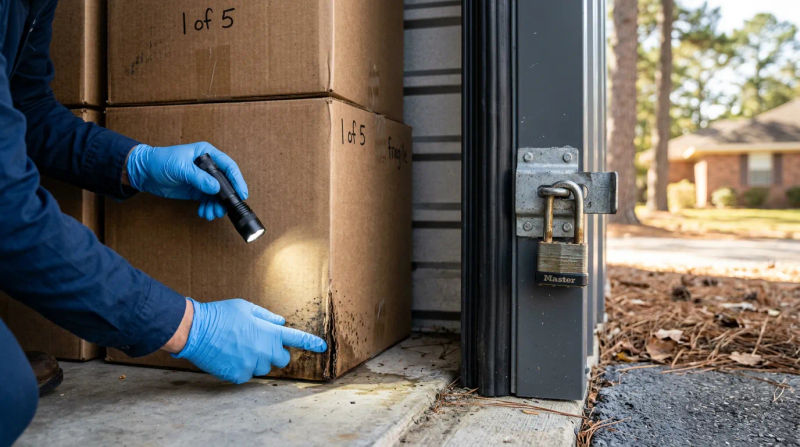
Moving is often described as a series of logistical puzzles, and one of the most common challenges we see is a mismatch in timing. You've sold your home, and the closing date is set. You've bought a new one, but you can't move in for a few weeks. Suddenly, you're faced with a critical question: where do all of your belongings go in the meantime? This scenario is especially common for homeowners in and around Woodworth, where real estate timelines don't always align perfectly. As cooling October temperatures make it an ideal time to move, many families find themselves needing a temporary home for their household goods. This gap, whether it's a week or a month, is where a solid plan for short-term storage becomes not just a convenience, but a necessity.
As a logistics supervisor with over a decade of experience, I've helped hundreds of families navigate this exact situation. The key is to recognize the need for storage early in the process so you can build it into your moving plan, avoiding last-minute stress and unnecessary costs.
Common Signs and Symptoms
How do you know if you'll need temporary storage? The signs are usually present long before moving day arrives. Recognizing them early allows for smoother planning and a less stressful transition.
Here are the most common scenarios where short-term storage is the ideal solution:
- There's a Gap Between Closing Dates: This is the most frequent reason people need a temporary solution. You might have to be out of your old home on the 15th of the month, but the previous owners of your new home don't move out until the 30th. This creates a clear need for professional storage between closings Woodworth residents often encounter.
- You're Downsizing: Many homes in the Woodworth area, like the classic single-story brick ranches from the 1980s, offer generous space with large lots and attached garages. After living in a home for years, you accumulate a lot. If you're moving to a smaller house, condo, or apartment, you may not have room for everything right away. Storage gives you the breathing room to sort through items, sell or donate what you don't need, and decide what truly fits in your new space without being rushed.
- You're Staging Your Home to Sell: To get the best price for your home, it needs to look its best. This often means decluttering and removing personal items and excess furniture to make rooms appear larger and more inviting. Placing these items in storage can dramatically improve your home's appeal to potential buyers without forcing you to get rid of cherished belongings.
- Your New Home is Being Renovated or Built: Moving into a house that's still a construction zone is a recipe for disaster. Dust, wet paint, and unfinished floors can damage your furniture and belongings. A temporary storage during a move plan allows you to keep your items safe and clean until the renovations are complete and your new home is truly ready for you.
- You're Facing Unexpected Delays: Even with the best planning, delays can happen. Paperwork can get held up, a final inspection might fail, or financing can be postponed. Having a storage plan in place acts as a critical safety net, ensuring a small delay doesn't turn into a major crisis.
What Causes This Problem
Understanding the root causes of these storage needs can help you anticipate them. The problem isn't poor planning on your part; it's often the nature of the complex, interconnected process of buying and selling real estate.
The Real Estate Domino Effect: Most home sales are part of a chain. The person buying your house might be waiting to sell theirs, and the person you're buying from might be in the same boat. A single delay anywhere in this chain can ripple through and affect everyone's timeline. In a smaller community, these chains can be tightly linked, making a gap between closings a common occurrence.
Phased Moving Logistics: Many people prefer to move in stages to reduce stress. For instance, with the milder October weather, you might want to move non-essential items like seasonal decor, books, and garage contents ahead of time. This makes the final moving day faster and more manageable. Using household storage for movers facilitates this by providing a secure, centralized location for your goods until you're ready for them.
New Home Construction Schedules: If you're building a new home, completion dates are often moving targets. Weather, supply chain issues, and contractor availability can all push back your move-in date. Relying on an estimated completion date without a backup storage plan is a significant risk.
Rural and Limited-Access Properties: Some properties around Woodworth may have long driveways or be situated in rural areas where a large 53-foot moving trailer cannot safely access the home. In these cases, our technicians must use a smaller shuttle truck to ferry items between the main truck and the residence. A storage facility can serve as an efficient hub for this process, preventing logistical headaches on moving day.
When to Call a Professional
Once you've identified a potential need for storage, the next step is to decide on the right solution. While a DIY self-storage unit might seem like a simple option, it often creates more work and risk.
Consider the difference:
- DIY Self-Storage: You are responsible for everything. You have to rent a truck, load all your items, drive them to the unit, unload and pack the unit tightly, and then repeat the entire process in reverse when you're ready to move into your new home. Every time your items are handled, the risk of damage increases.
- Professional Moving and Storage: When you work with experienced professionals, the process is streamlined. Our trained crews will come to your home, professionally wrap and prepare your furniture, create a detailed inventory, and load everything directly into secure, climate-controlled storage vaults. Your items are handled once on the way in and once on the way out. This integrated approach is more efficient, significantly safer for your belongings, and saves you an immense amount of time and physical effort.
You should call a professional moving and storage provider if:
- You value your time and want to reduce physical strain. Moving is already hard work; adding two extra loading and unloading cycles makes it exponentially harder.
- You have valuable, fragile, or antique furniture. Our technicians use standardized processes and proper materials to protect your items for storage, safeguarding them against damage, dust, and temperature fluctuations.
- You want a single point of responsibility. Coordinating a mover and a separate storage facility adds complexity. An integrated service means one team handles your move from start to finish, ensuring clear communication and accountability.
Conclusion
The need for short-term storage is a common part of the modern moving process, especially when dealing with closing gaps, downsizing, or home renovations. Recognizing the signs early - like a timing mismatch on your calendar or the need to declutter for a home sale - is the first step toward a smooth and organized move. Waiting until the last minute can lead to rushed decisions and potential damage to your belongings.
By planning ahead and understanding your options, you can turn a potential logistical nightmare into a seamless part of your transition. An organized workflow that includes professional storage can provide the flexibility and security you need to bridge the gap between your old home and your new one.
If you anticipate a gap in your moving timeline or need to stage your home, don't hesitate to seek expert advice. Contact a local moving professional to discuss your options and create a plan that fits your specific needs.